Written by
Pranav
Why Speech Therapy is Important for Autistic Children
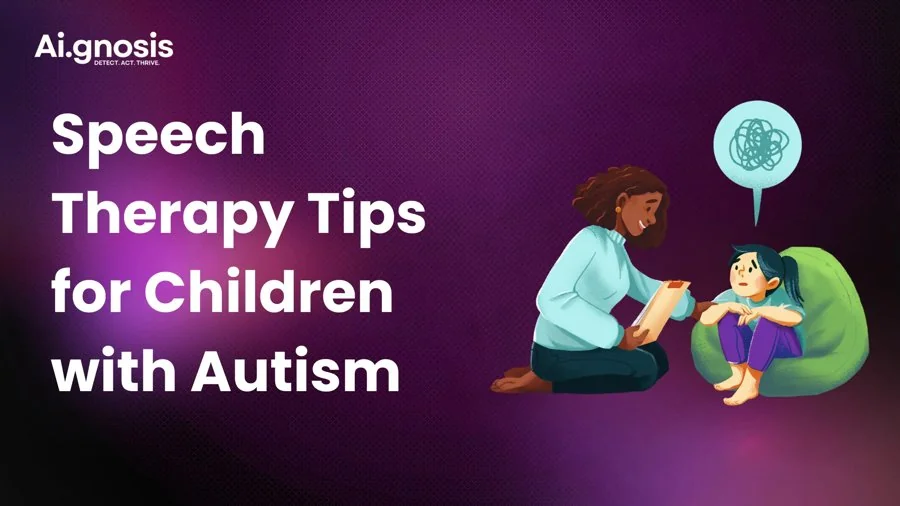
Speech therapy helps children with autism develop skills such as verbal and nonverbal communication, social interaction, and understanding and using language effectively. Early intervention is key, as the earlier these skills are nurtured, the better the outcomes. With a tailored approach, speech therapy can significantly enhance a child's ability to interact and thrive in their environment.
Top Speech Therapy Tips for Children with Autism
Start Early and Stay Consistent
Early intervention makes a difference. Begin speech therapy as soon as you notice communication delays. Consistency is equally important—schedule regular therapy sessions and practice communication exercises at home.
Use Visual Aids
Many autistic children are visual learners. Incorporate pictures, flashcards, or visual schedules to support their understanding of words and concepts. For example, using a photo of an apple can help a child associate the word 'apple' with the object.
Encourage Imitation
Children with autism can learn speech and gestures through imitation. Use simple sounds, words, or actions and encourage your child to mimic them. For instance, saying 'ball' while pointing to it can help reinforce the connection between the word and the object.
Focus on Nonverbal Communication
Not all communication is verbal. Teach your child to use gestures, facial expressions, and sign language to express themselves. Nonverbal communication can serve as a stepping stone to developing verbal skills.
Incorporate Their Interests
Engage your child by integrating their favorite activities or toys into therapy sessions. If they love cars, use toy cars to teach words like 'go,' 'stop,' or 'fast.' This makes learning fun and keeps them motivated.
Break It Down
Introduce language in manageable steps. Start with simple words and phrases before progressing to full sentences. Breaking tasks into smaller goals helps build confidence and prevents frustration.
Create a Language-Rich Environment
Surround your child with opportunities to communicate. Narrate daily activities, read books together, and ask open-ended questions to encourage interaction.
Celebrate Progress
Celebrate every small achievement, whether it's learning a new word or making a sound. Positive reinforcement boosts confidence and encourages continued effort.
Be Patient and Flexible
Every child learns at their own pace. Be patient and adapt your approach to suit your child's unique needs and preferences. Avoid rushing the process, and focus on creating a positive experience.
Collaborate with Professionals
Work closely with a certified speech-language pathologist (SLP) to develop a personalized therapy plan. Professionals bring expertise and can recommend strategies tailored to your child's specific challenges.
How Early Intervention Supports Speech Development
Speech therapy is most effective when started early. Early intervention leverages a child's natural developmental window, enabling them to acquire communication skills more easily. Combining speech therapy with other therapies like occupational or behavioral therapy can further enhance progress.
Conclusion
Speech therapy for autistic children is a powerful tool in helping them overcome communication challenges. By incorporating these tips and starting early intervention, parents and caregivers can support their child's journey toward meaningful connections and self-expression. Remember, every word, gesture, and sound is a step forward. With patience, creativity, and professional guidance, you can help your child find their voice.
Not sure whether to wait or check?
A ten-minute video session gives you an objective read on your child's development — no appointment, no waiting room.