I'm a physicist who fell for artificial intelligence. I was standing at the entrance to a PhD, the kind of opportunity most researchers spend years working toward, when I chose to walk through a different door instead.
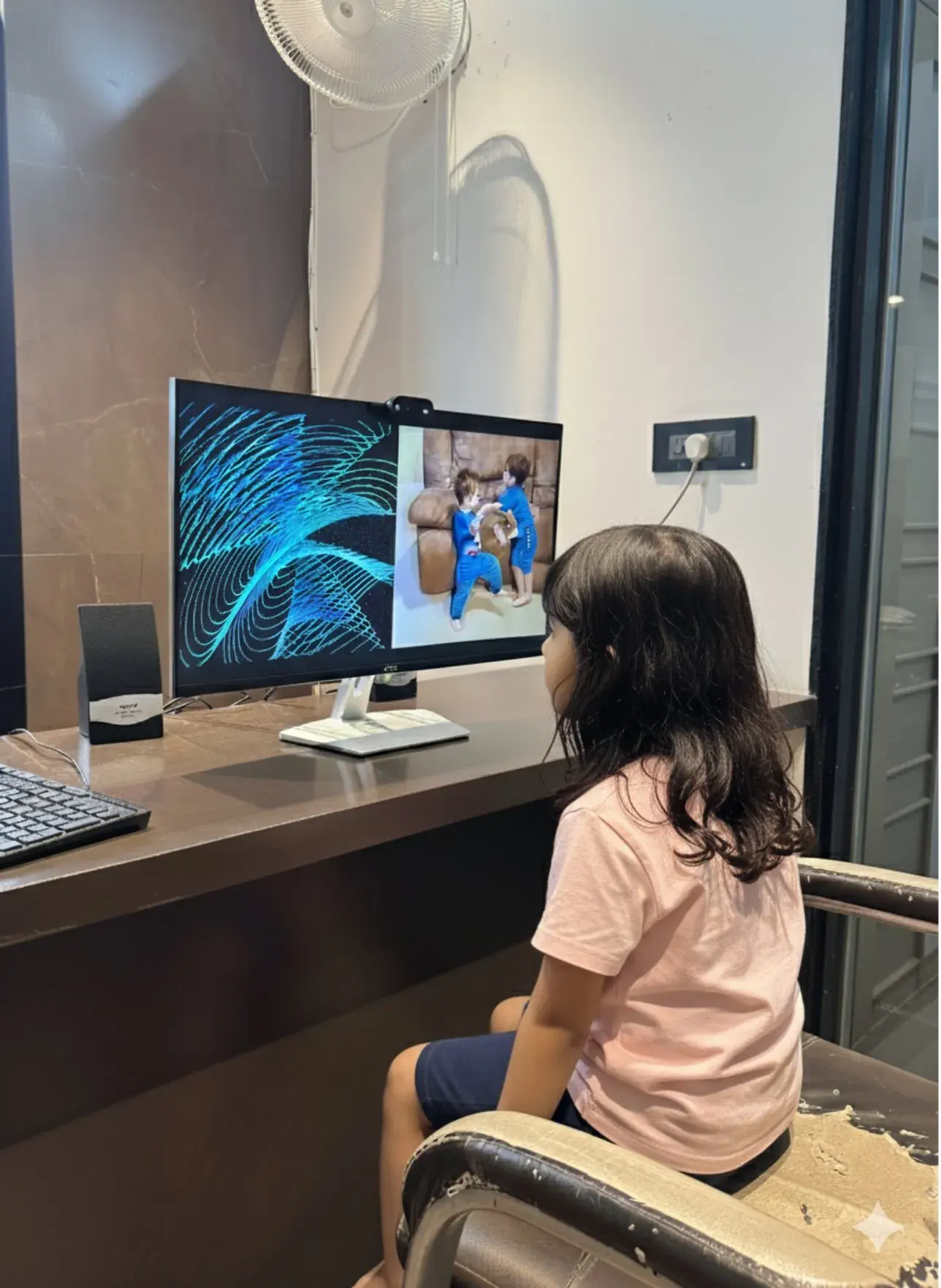
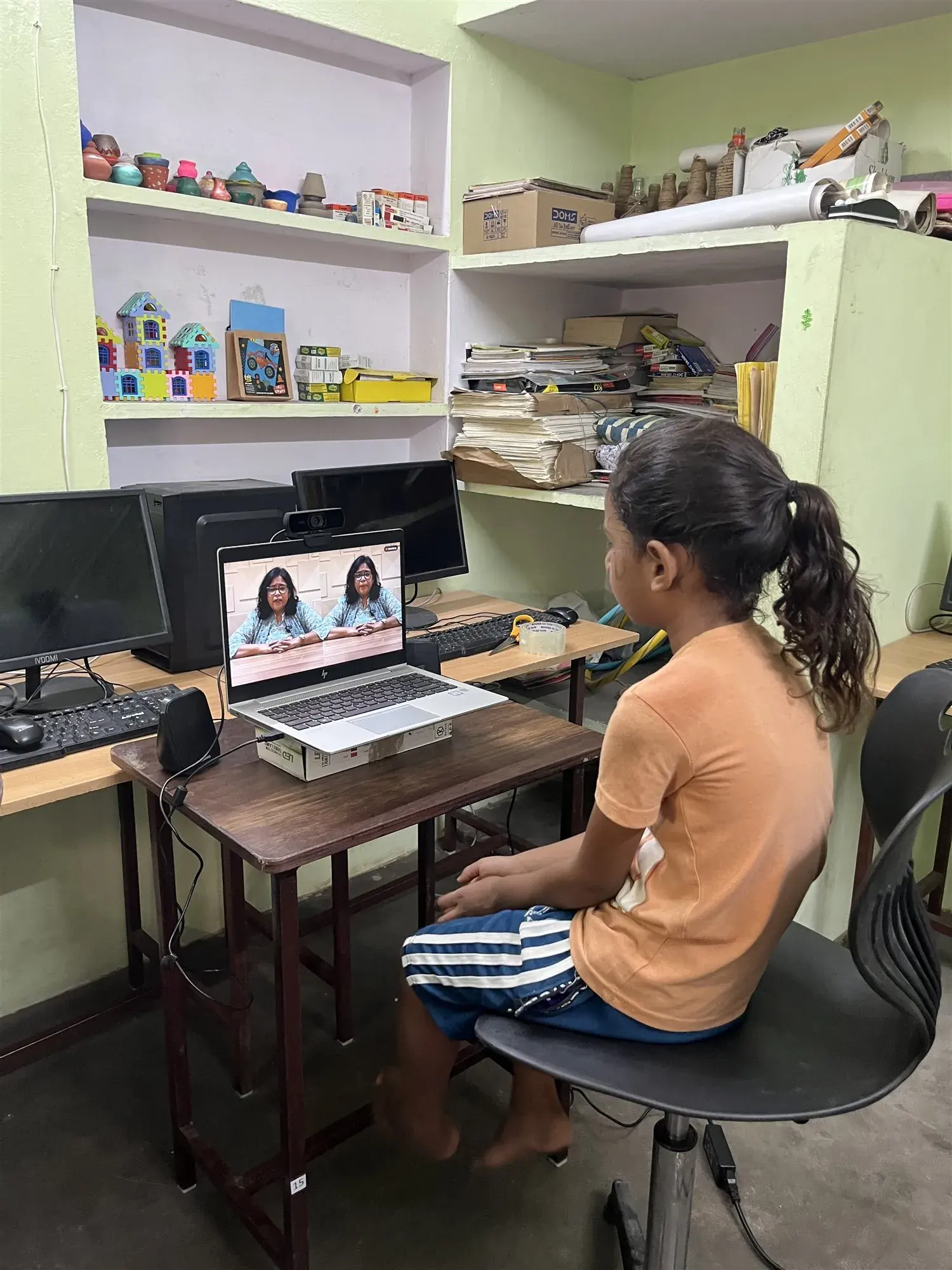
I staked my training on a harder, messier question: could a laptop webcam notice, in a few minutes, what an overstretched healthcare system was taking years to catch?
I refused to take shortcuts. Our models don't just glance at a child's gaze, they read it as a signal unfolding moment by moment. I tested that against simpler methods, again and again, until I trusted it actually worked.
For me, it wasn't about testing a model. It was about trying to give a child back the years “wait and watch” was costing them.