Written by
Kunal
Introduction
Speech therapy is a powerful tool in helping children with autism develop communication skills. But it's not just about what happens in a therapy session—it's about creating an environment where learning feels fun and natural. When you have a thoughtful lesson plan and the right materials, therapy becomes a more enjoyable experience for everyone involved. Whether you're a parent, teacher, or therapist, the right approach can make all the difference in helping your child thrive.
Why Lesson Plans and Materials Matter
A good lesson plan is more than just a schedule—it's a roadmap for success. When paired with engaging materials, it helps to:
Hold the Child's Attention
Well-planned sessions keep the child interested and engaged, ensuring they are focused on learning.
Encourage Participation Through Interactive, Hands-On Activities
Interactive tasks such as games or role-playing help children actively participate in therapy.
Reinforce Learning in a Fun and Natural Way
Therapy materials like flashcards or sensory toys make learning enjoyable and effective.
Creating a Speech Therapy Lesson Plan for Autism
Here's how to build a plan that makes a real impact:
1. Set Clear, Achievable Goals
Start by setting specific goals. Whether it's working on sounds, learning new words, or practicing social communication, having a clear target helps guide the session.
2. Use Visual Supports
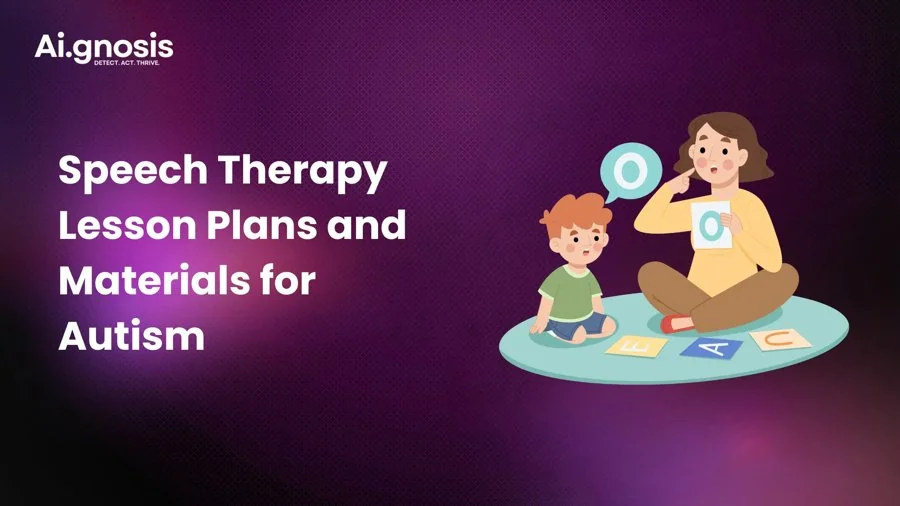
Visual aids like flashcards, picture boards, or visual schedules help children understand the session's structure and stay engaged.
3. Build in Repetition
Repetition is key to learning. Allow the child to practice new words, sounds, or actions multiple times.
4. Keep It Interactive
Incorporate games and role-playing to make therapy sessions more dynamic and enjoyable.
5. End with Positive Reinforcement
Finish on a high note by praising your child's effort, whether they said a new word or simply participated.
Must-Have Speech Therapy Materials for Autism
The right materials can transform a lesson from a routine task into a fun, engaging experience. Here's what you'll need:
1. Flashcards & Picture Books
Flashcards with pictures and words are great for expanding vocabulary, while picture books can reinforce concepts through fun, colorful images.
2. Visual Schedules & Communication Boards
These tools help children understand what's coming next and offer a way to communicate their needs.
3. Sensory Toys
Sensory toys like stress balls or textured blocks can help children stay focused during sessions.
4. Apps & Digital Tools
Apps like Proloquo2Go or Articulation Station are designed specifically for speech therapy and support nonverbal children.
5. Games & Props
Games, puppets, and toys can support speech practice through interactive play and role-playing.
Tips for Success
To maximize the effectiveness of speech therapy at home, consider the following strategies:
1. Stay Consistent
Incorporate therapy into daily activities to build routine and consistency.
2. Keep Sessions Relaxed
Keep sessions light and enjoyable. Laughter and play can make learning much more effective.
3. Lean on Experts
Stay in touch with your child's therapist for guidance and to tailor activities to your child's needs.
It's All About Connection
Creating an environment where your child feels comfortable and motivated to learn is crucial. With patience and creativity, you can make learning a fun and rewarding experience. Remember, every small achievement is a step forward in communication development!
Not sure whether to wait or check?
A ten-minute video session gives you an objective read on your child's development — no appointment, no waiting room.