Written by
Sachin
Introduction
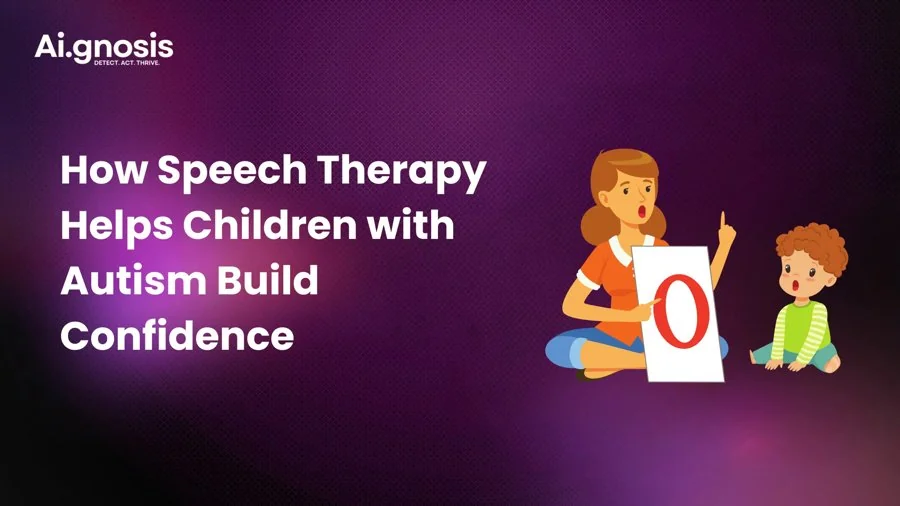
When a child with autism struggles to communicate, it can impact their ability to express themselves, make friends, and interact with the world around them. Speech therapy for autism is a powerful tool that helps children build not only communication skills but also confidence. Through speech therapy strategies for autism, children can learn how to connect with others, express their needs, and feel more secure in their interactions.
Why Confidence Matters for Children with Autism
For many children with autism, communication difficulties can lead to frustration and isolation. When a child feels unable to express themselves clearly, it can affect their self-esteem and overall sense of security. By focusing on speech therapy strategies for autism, therapists can help children feel more empowered, confident, and capable in social settings.
How Speech Therapy Builds Confidence in Children with Autism
1. Encouraging Self-Expression
One of the primary goals of speech therapy for autism is to help children express themselves in ways that are meaningful to them. Whether through speech, gestures, or other alternative communication methods, speech therapy offers children the tools to share their thoughts, emotions, and needs.
2. Improving Social Skills
Speech therapy goes beyond just words. Many speech therapy strategies for autism focus on improving social skills such as turn-taking, maintaining eye contact, and understanding nonverbal cues. These skills are vital for forming relationships with peers, family, and teachers.
3. Building Speech Clarity
When children have difficulty pronouncing certain sounds or words, they may become self-conscious and avoid speaking altogether. Speech therapy for autism works on improving articulation and pronunciation, helping children speak more clearly and confidently.
4. Offering Positive Reinforcement
Speech therapists celebrate every milestone, big or small. Positive reinforcement is a key component of therapy, where therapists encourage and praise children for their progress.
5. Reducing Anxiety Around Communication
For children with autism, communicating can be a source of anxiety. Through speech therapy strategies for autism, children gain more control over their communication, reducing anxiety and building confidence in their ability to express themselves.
The Long-Term Benefits of Speech Therapy for Autism
The benefits of speech therapy for autism extend far beyond just improving communication. When children gain confidence in their speech abilities, they experience positive changes in other areas of their lives.
Better Social Integration
Improved communication skills allow children to interact more easily with peers and family, creating a sense of belonging.
Academic Success
Children who can clearly express themselves are better able to participate in school activities, follow instructions, and engage in discussions.
Emotional Growth
As children gain confidence in their communication, they are more likely to express their emotions, reducing feelings of frustration or anger.
Conclusion
Speech therapy for autism is more than just a tool for learning how to talk—it's an essential part of building a child's confidence and self-esteem. By focusing on speech therapy strategies for autism, children can learn to express themselves, develop social skills, and feel more confident in their interactions with the world around them. Every child deserves the chance to feel heard, understood, and confident. If you're considering speech therapy for your child with autism, know that you're investing in their future—one conversation at a time.
Not sure whether to wait or check?
A ten-minute video session gives you an objective read on your child's development — no appointment, no waiting room.